Calvados vs Cognac vs Armagnac vs Whisky : What’s the Difference?
Four spirits. Four origins. Four distinct identities.
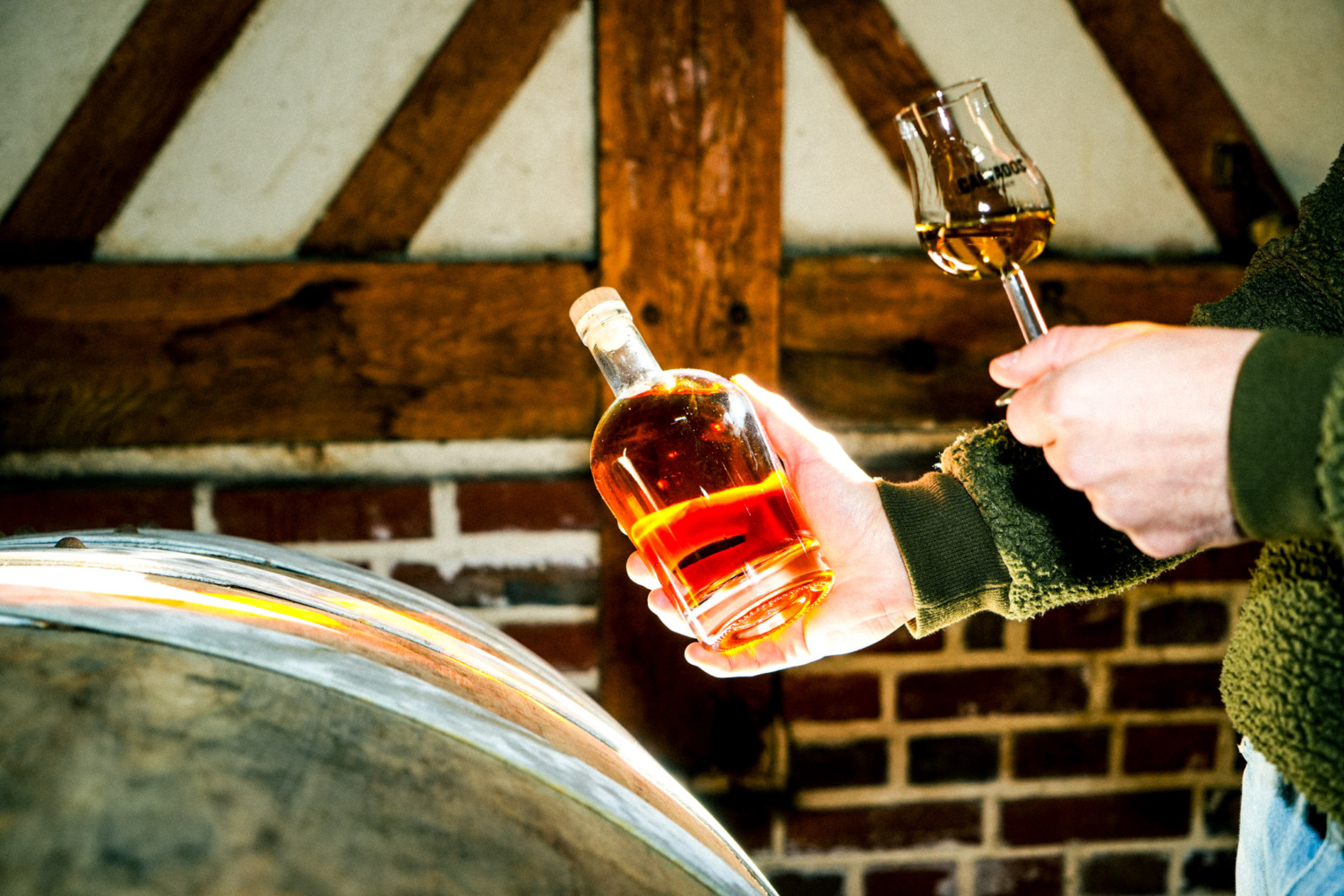
Calvados, Cognac, Armagnac and whisky : four great spirits, each with its own distinct identity. The first major difference lies in what they are made from : cider apples and pears, grapes or grains. But distillation, ageing and flavour profiles also play an essential role. So, what really sets Calvados apart from the others ?
Very different raw ingredients
The first difference between these four spirits lies in their raw ingredients.
Calvados is a cider brandy made from cider apples and/or perry pears. These fruits come from orchards in Normandy, where apple and pear varieties, as well as local soils, contribute to the diversity of Calvados styles. Cognac and Armagnac, on the other hand, are grape-based brandies made from wines produced in their respective regions. Whisky is a broad family of spirits produced in many countries from different grains, including barley, corn, rye and wheat, with production methods and regulations that vary depending on the country and style.
These different ingredients give each spirit its identity : Calvados comes from the orchard, Cognac and Armagnac from the vineyard, and whisky from grains.
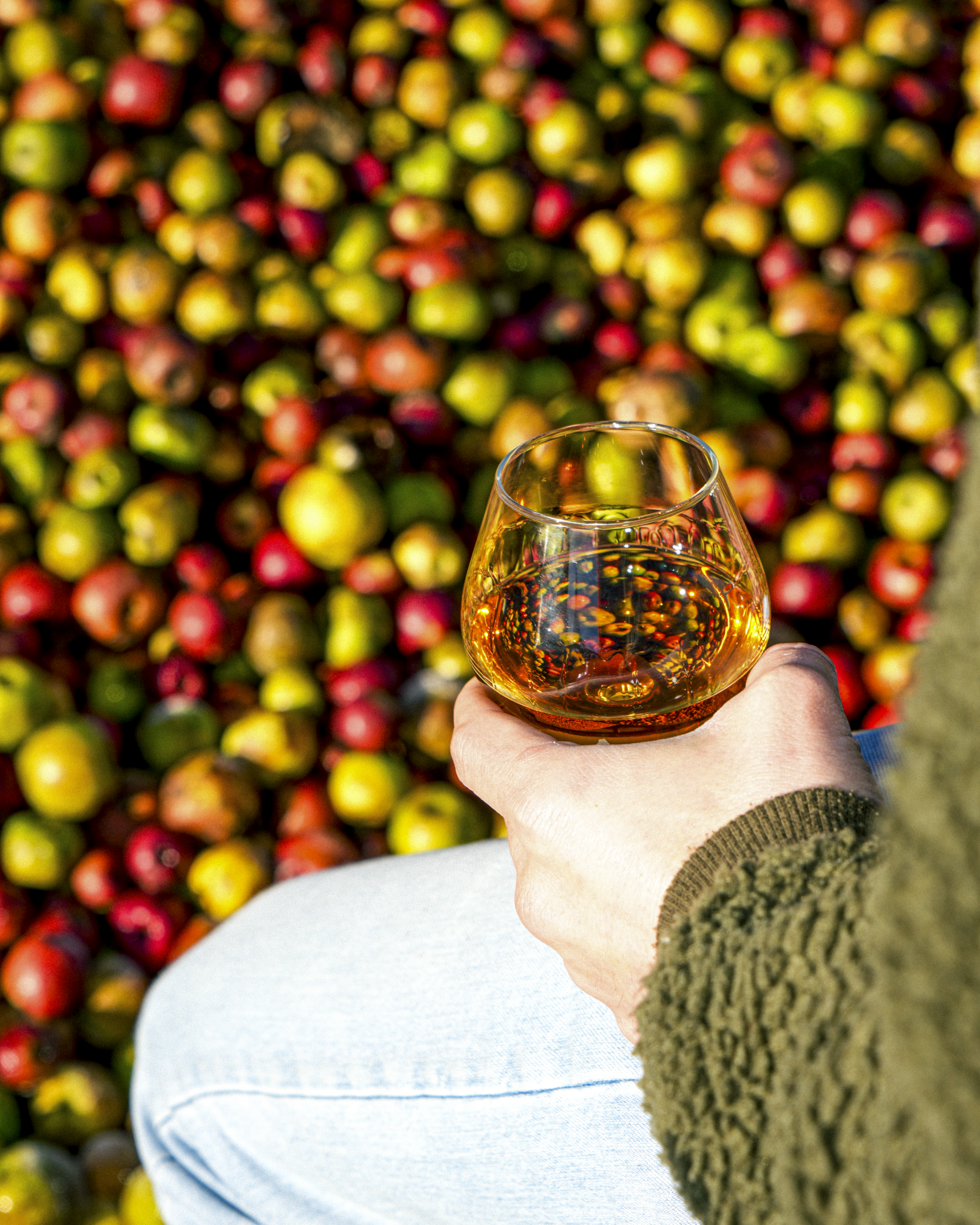
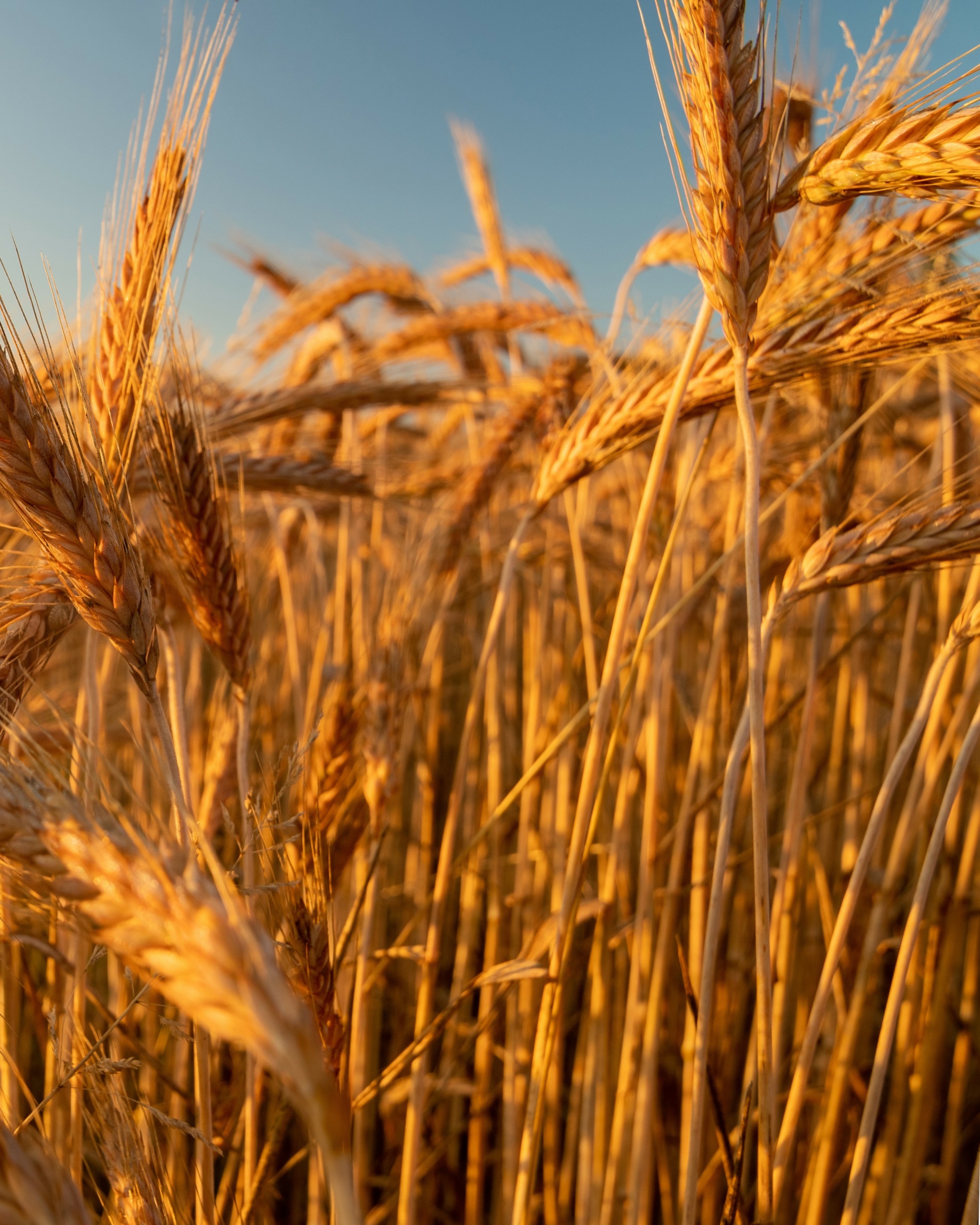
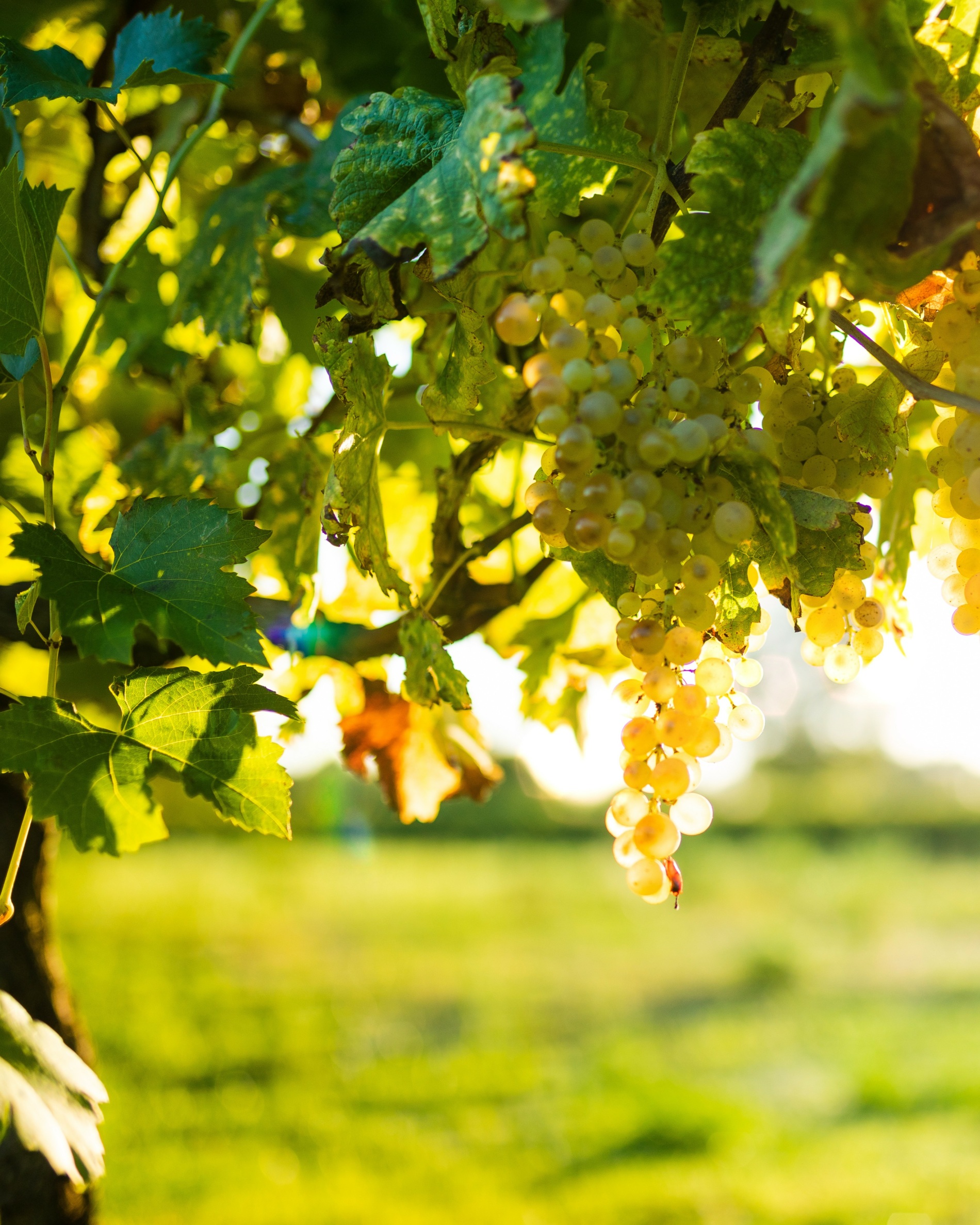
Calvados (protected by 3 PDOs), Cognac (overseen by the BNIC), and Armagnac (monitored by the BNIA) are also protected by one or more designations of origin, which notably regulate their geographical area and production conditions.”
Calvados also has some distinctive environmental features linked to the way it is produced. Normandy’s orchards are grown without irrigation and can provide valuable habitats for biodiversity, while apple trees contribute to carbon storage as they grow.
Even before distillation and ageing, these spirits are already shaped by their ingredients, their place of origin and the conditions under which they are produced — all of which contribute to their distinctive identities.
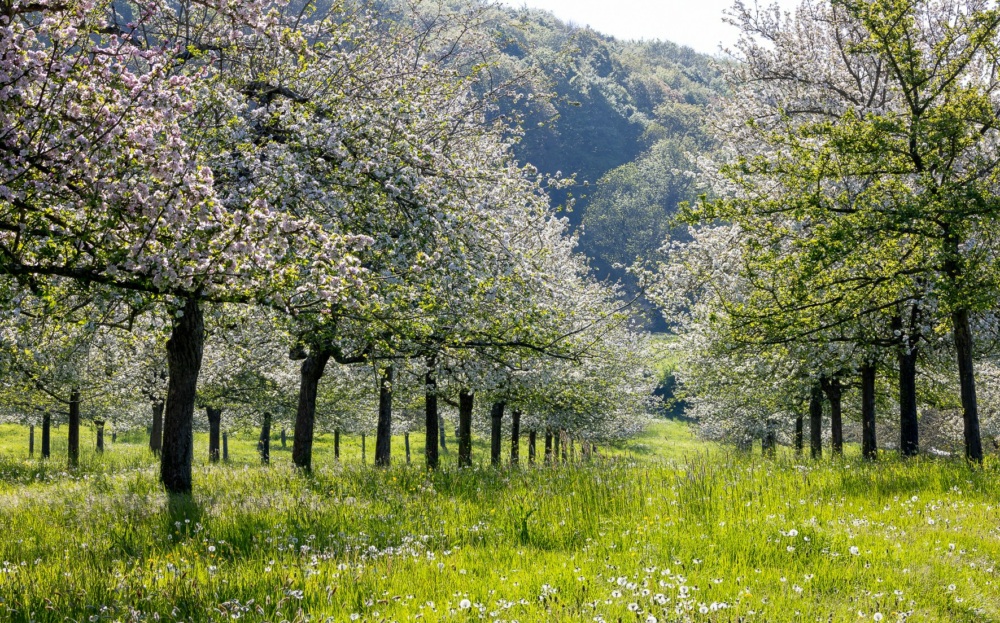
@Arnaud Guerin – Orchard in Normandy.
How are these spirits distilled?
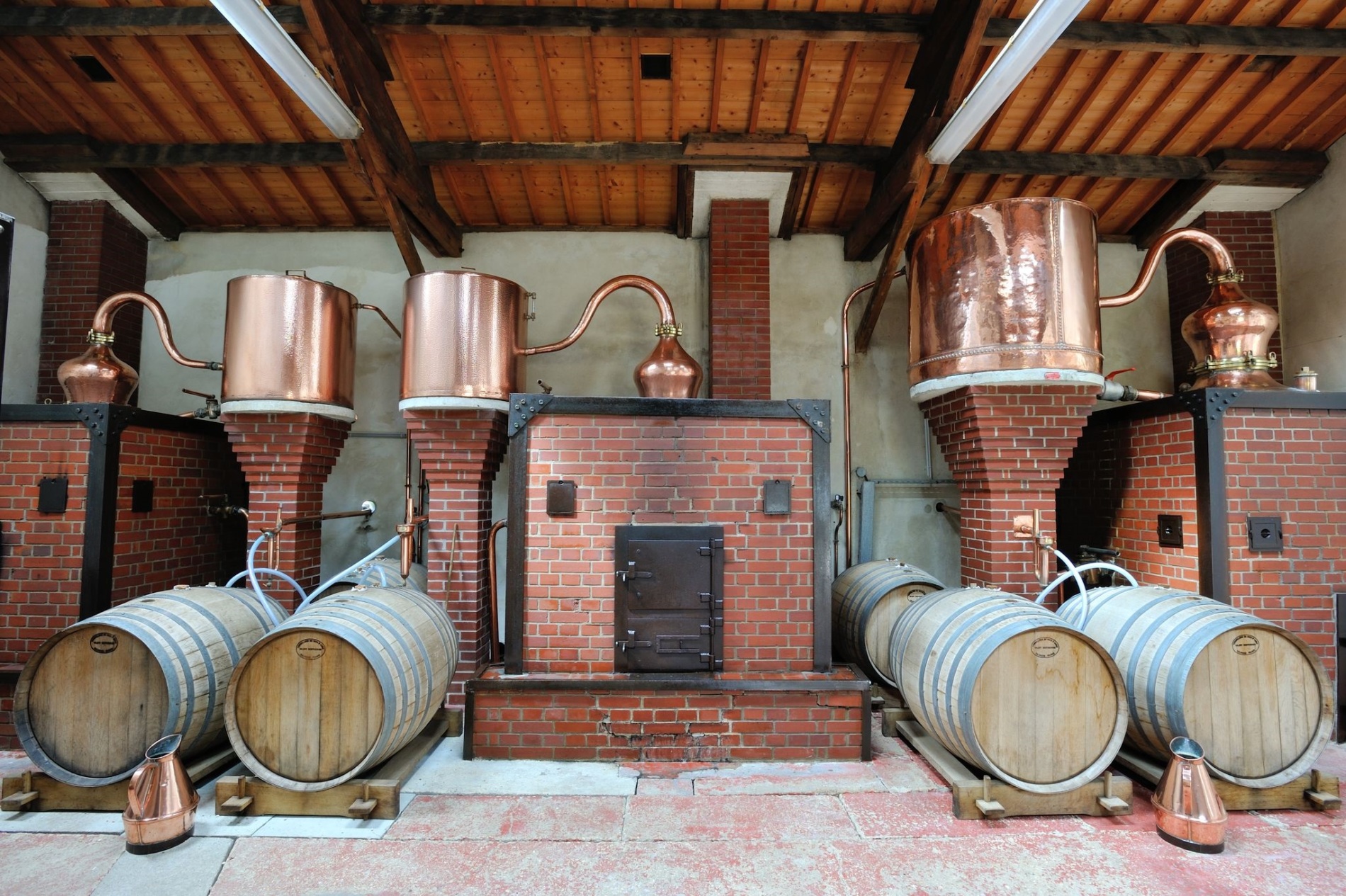
Distillation is another difference between these four spirits. It concentrates the alcohol and some of the aromatic compounds produced during fermentation, but the equipment and techniques used can vary considerably.
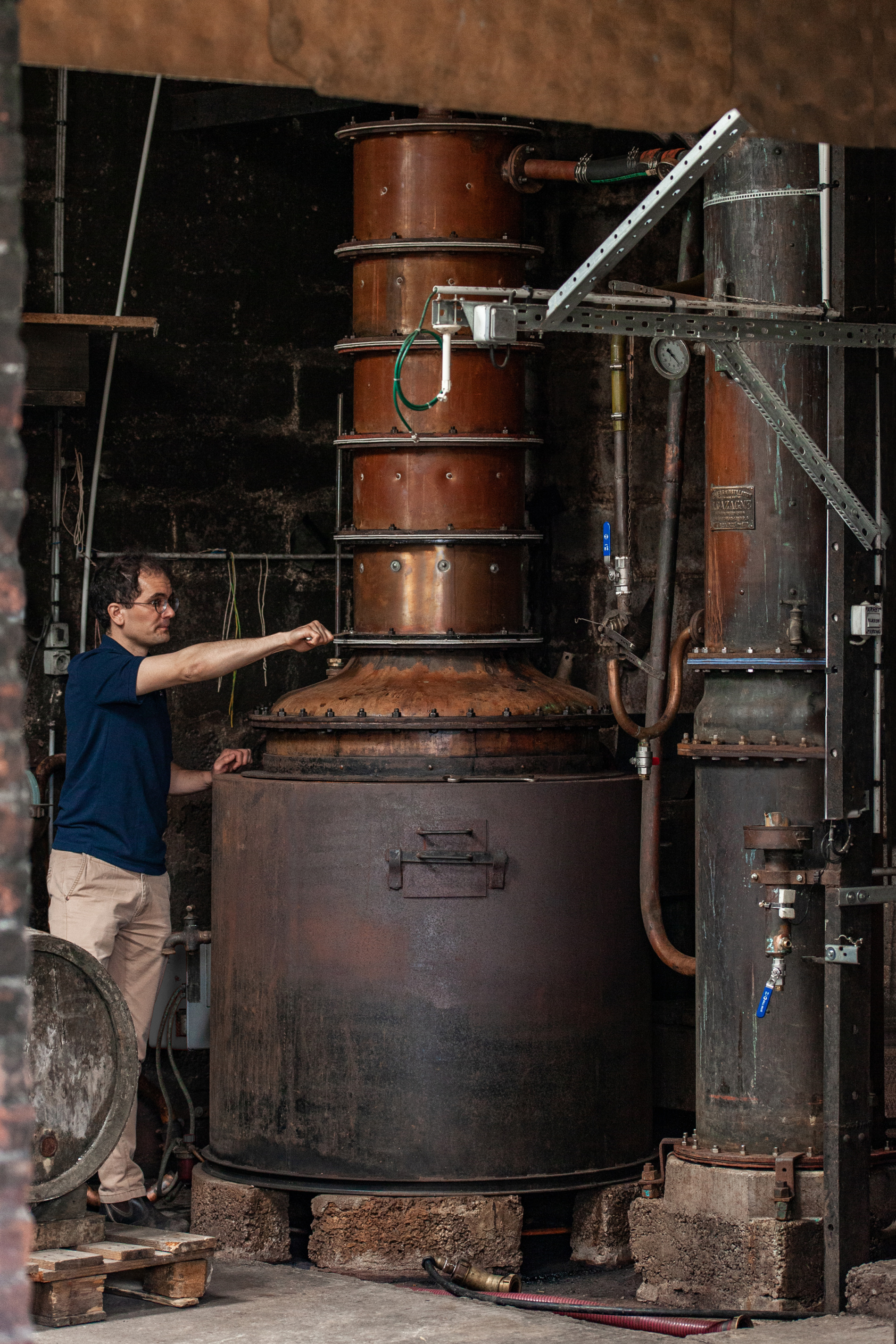
For Calvados, the method depends on the appellation. Calvados can be distilled twice in a pot still, a process known as double distillation, or continuously in a column still. Calvados Pays d’Auge must be double distilled in a pot still. Calvados Domfrontais, on the other hand, is exclusively distilled in a column still.
Cognac follows a more uniform method : its appellation requires wines to be double distilled in traditional copper Charentais stills.
Armagnac is mainly distilled continuously in a traditional Armagnac still, a specific copper still that contributes to its aromatic profile. However, some producers also use double distillation.
Whisky, meanwhile, does not follow a single distillation method worldwide. Techniques vary depending on the style and regulations. For Scotch Whisky, for example, single malt is distilled in pot stills, while other categories may use different methods.
Ageing and age statements : what do they mean ?
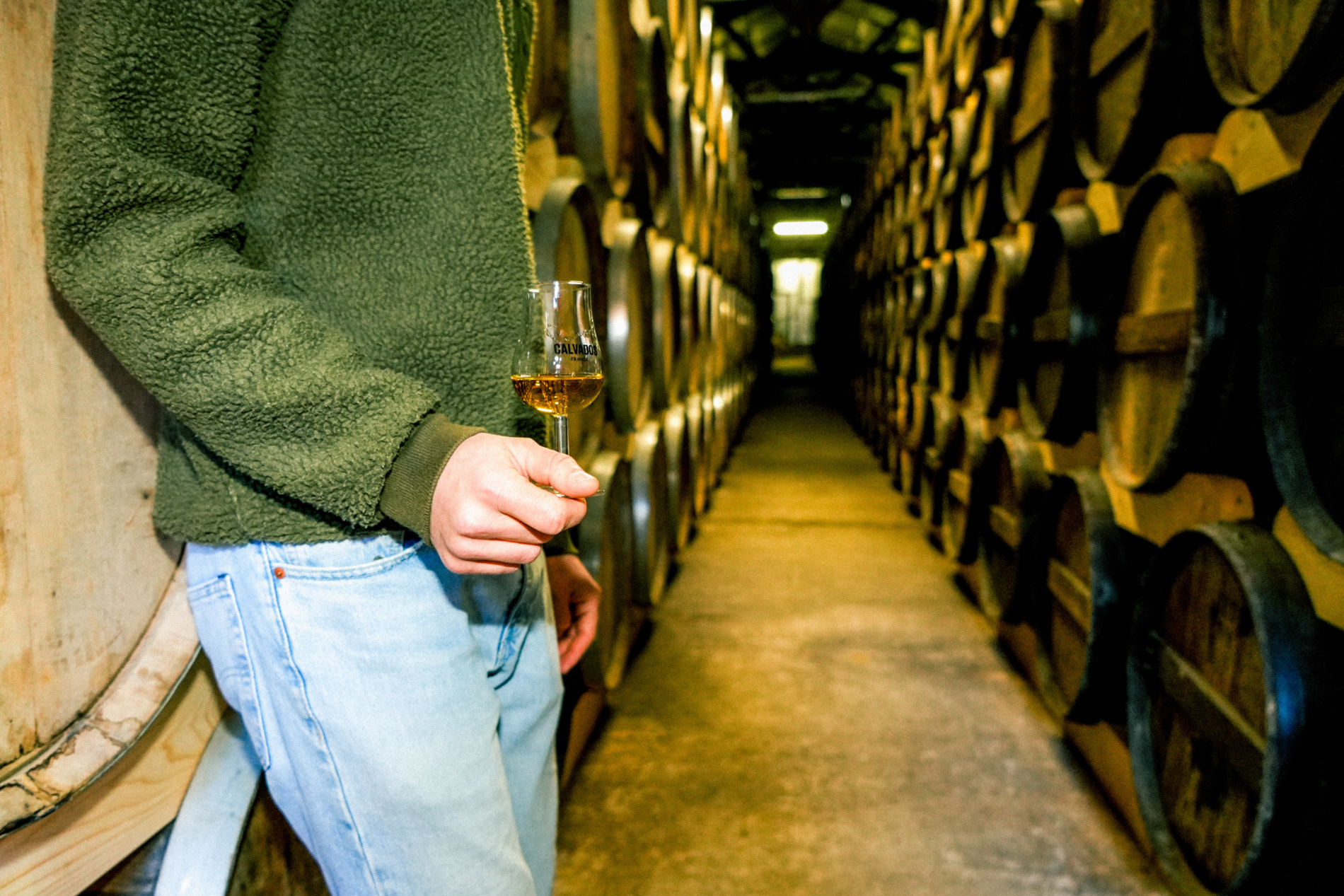
Wood and time play an essential role in shaping the identity of these spirits. As the spirit matures in casks, it gradually changes : it takes on colour, interacts with the wood and develops new aromatic characteristics.
Calvados is aged in French oak casks for at least two years for Calvados and Calvados Pays d’Auge, and at least three years for Calvados Domfrontais. Calvados can also undergo a “finish”, meaning a final period of ageing in casks that previously held other spirits or fortified wines, such as whisky or sherry.
Cognac must also be aged for at least two years, without interruption, in oak casks. The oak does not necessarily have to be French. However, unlike Calvados, Cognac cannot undergo a finish in a cask that previously held an alcohol other than wine or wine spirits.
Armagnac is also aged in French oak casks, traditionally in casks of around 400 litres. Armagnac appellations require at least one year of ageing in wood before it can be sold. Blanche Armagnac is an exception: it is not aged in wood, allowing it to retain a profile closer to the spirit as it comes out of the still.
For whisky, ageing requirements depend on the regulations and the country of production. Scotch Whisky, for example, must be matured for at least three years in oak casks.
The common thread is clear: the cask matters. But its influence always depends on the spirit inside it, the type of wood used and the length of time it spends ageing.
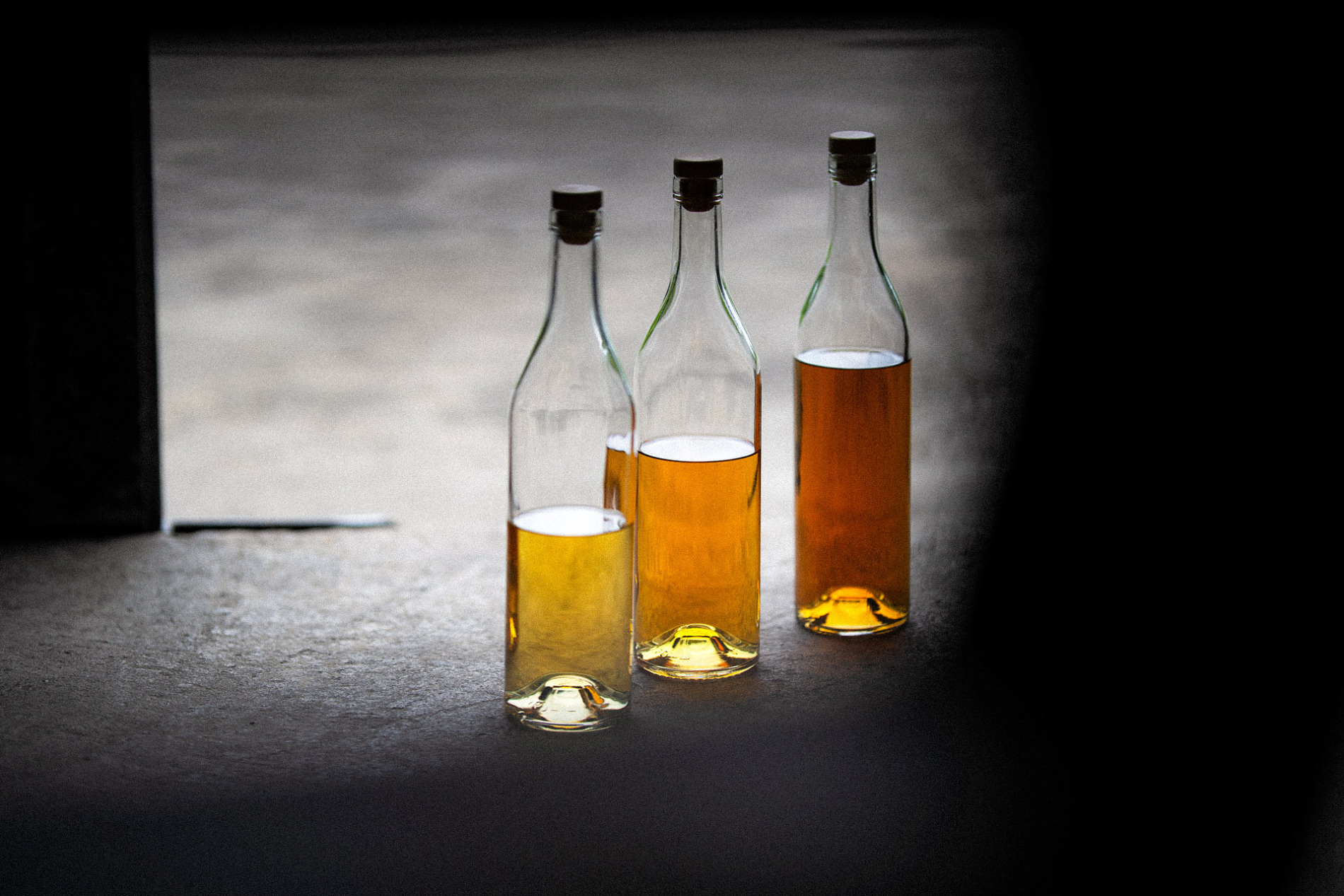
For a blend, the age stated on the label corresponds to the youngest spirit it contains. The terms used and minimum ageing periods then vary from one spirit to another :
- Calvados : VS from 2 years, Vieux or Réserve from 3 years, VSOP from 4 years, XO or Hors d’Âge from 6 years.
- Cognac : VS from 2 years, VSOP from 4 years, XO from 10 years and XXO from 14 years.
- Armagnac : VS or Trois Étoiles from 1 year, VSOP from 4 years, XO or Hors d’Âge from 10 years.
- Whisky : there is no universal system equivalent to these classifications. When an age is stated, it refers to the youngest whisky in the blend.
Some Calvados, Cognacs and Armagnacs are also vintage-dated : the year shown refers to a single harvest or distillation year, depending on the rules applying to each category. Whisky can also be vintage-dated, but this is less common.
What Are the Flavour Profiles of These Different Spirits?
The raw ingredients, distillation and ageing all directly influence flavour, but none of these four spirits can be reduced to a single profile. Calvados, Cognac, Armagnac and whisky each offer a wide range of flavours, shaped in particular by how they are produced and how long they are aged.
Calvados often has a fruity character, particularly pronounced in younger spirits, with notes of fresh apple. As it ages, these flavours develop into cooked apple, accompanied by notes of oak, vanilla, honey, spice and nuts. Its style varies according to the appellation, the fruits used, the distillation method and the ageing process.
Cognac and Armagnac share a broad aromatic palette: fruit, flowers, vanilla, spices, oak and dried fruit can be found in both. Cognac can feature floral and fruity notes such as grape blossom, violet, grape and vanilla. Armagnac, meanwhile, can show pronounced fruity notes, with pear, plum or grape in younger spirits, developing into cooked or candied fruit, dried fruit, spices and vanilla as it ages. Older Armagnacs can also develop rancio notes. These characteristics do not, however, provide a definitive way to distinguish the two spirits: each eau-de-vie has its own aromatic profile.
Whisky is even harder to sum up in just a few flavours. Depending on the grains, distillation method, type of cask and desired style, it can display fruity, vanilla, spicy, oaky, toasted or smoky notes. Smoke, in particular, is found in some whiskies but is by no means a characteristic of the category as a whole.
These flavour profiles are therefore not fixed categories. They simply provide a few useful reference points before tasting.
Why Discover Calvados?
This comparison shows what makes Calvados unique among these spirits : its identity is rooted in cider apples and Normandy’s orchards, yet its styles are far from uniform. More than 300 varieties of cider apples and perry pears are grown across the sector. Their different characteristics contribute to the diversity of Calvados eaux-de-vie.
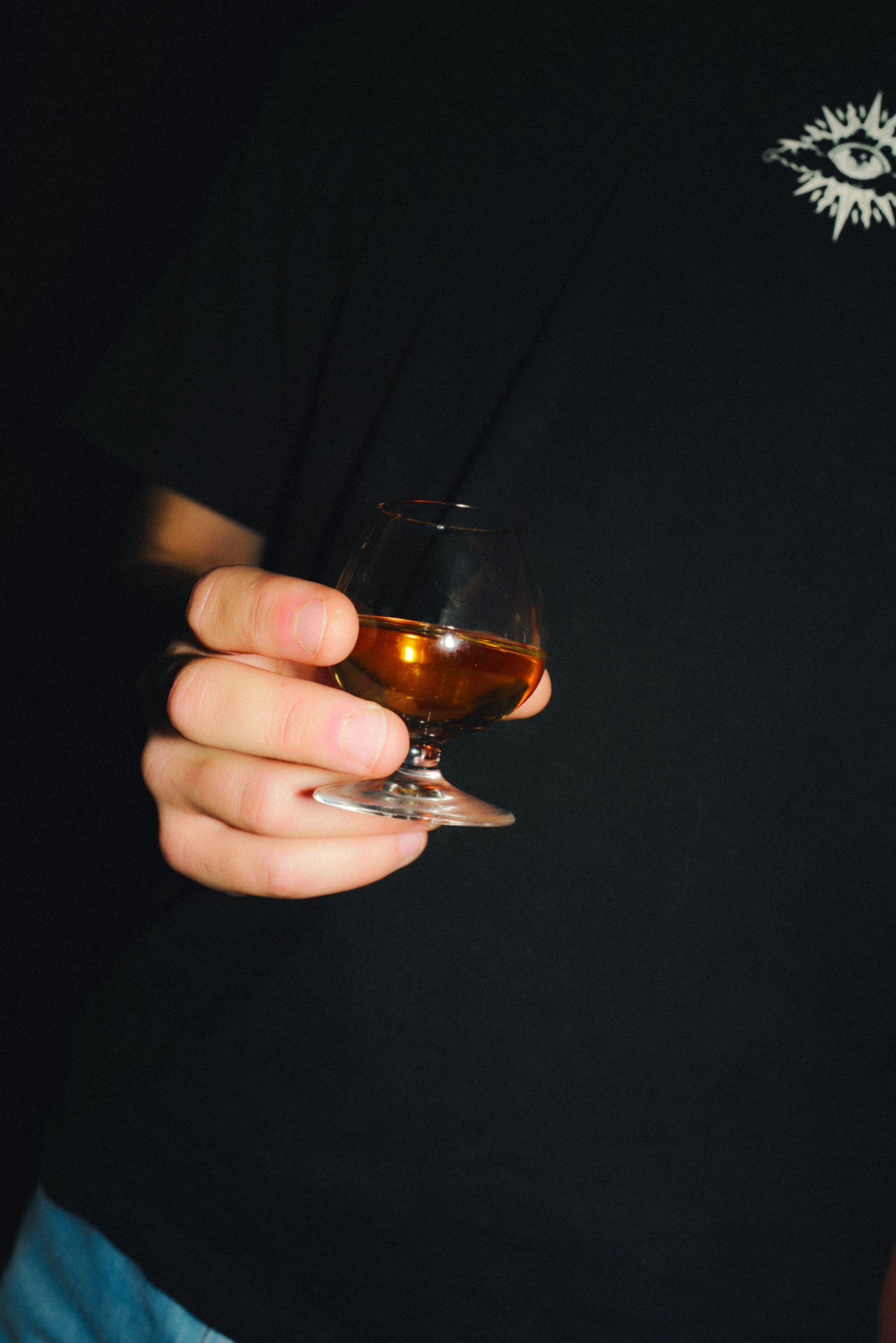
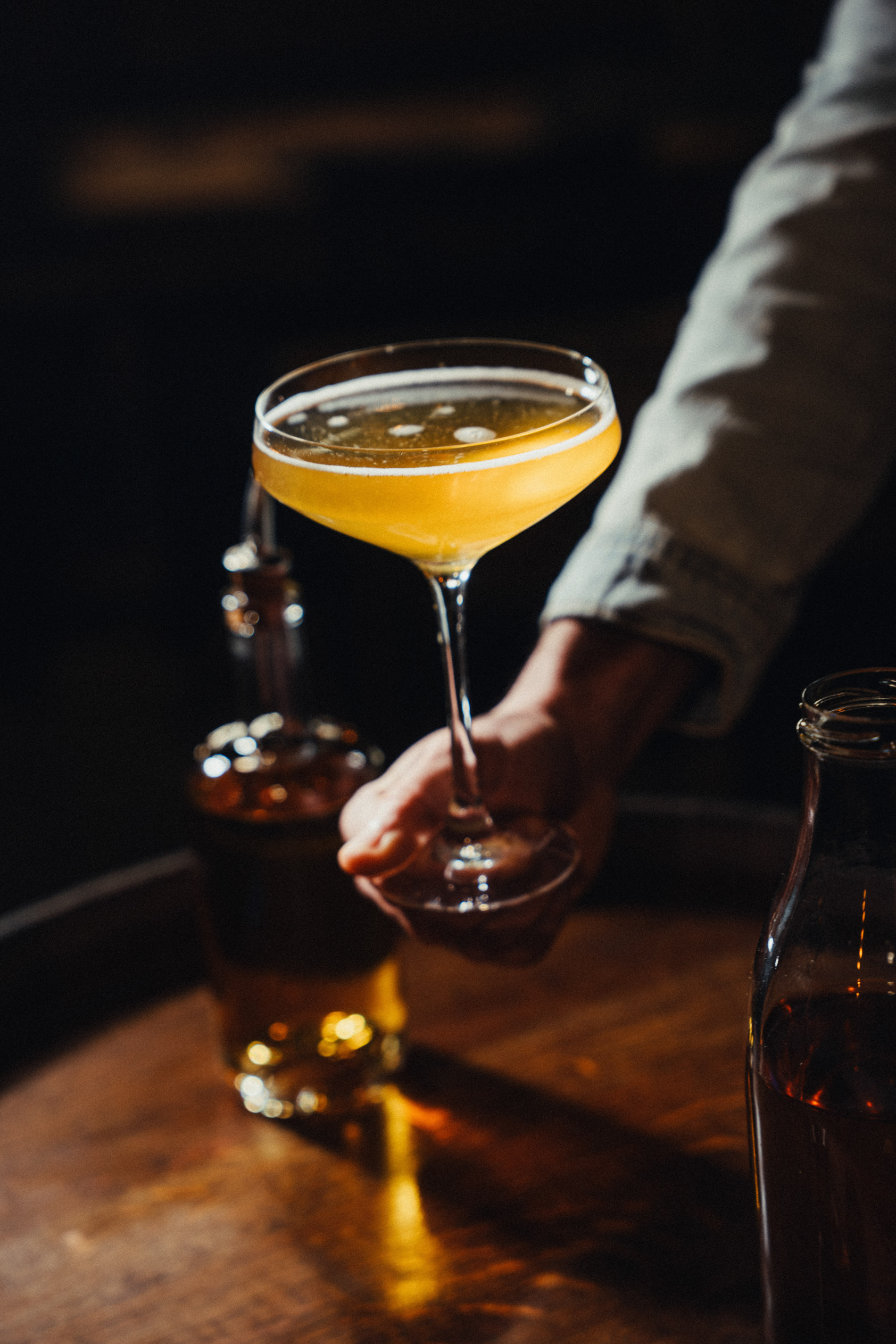
Calvados can also be enjoyed in many different ways. With its fresh apple aromas, a VS Calvados can add a lively touch to cocktails and aperitifs. Older Calvados is often served neat, at the end of a meal, to fully appreciate its aromas. Depending on its style, it can also pair well with certain desserts or cheeses. Serving temperature and glassware can also influence how its aromas are perceived.
These different ways of enjoying it make it possible to explore Calvados without reducing it to a single style or occasion.
To go further, learn how to choose, serve, and taste Calvados.